
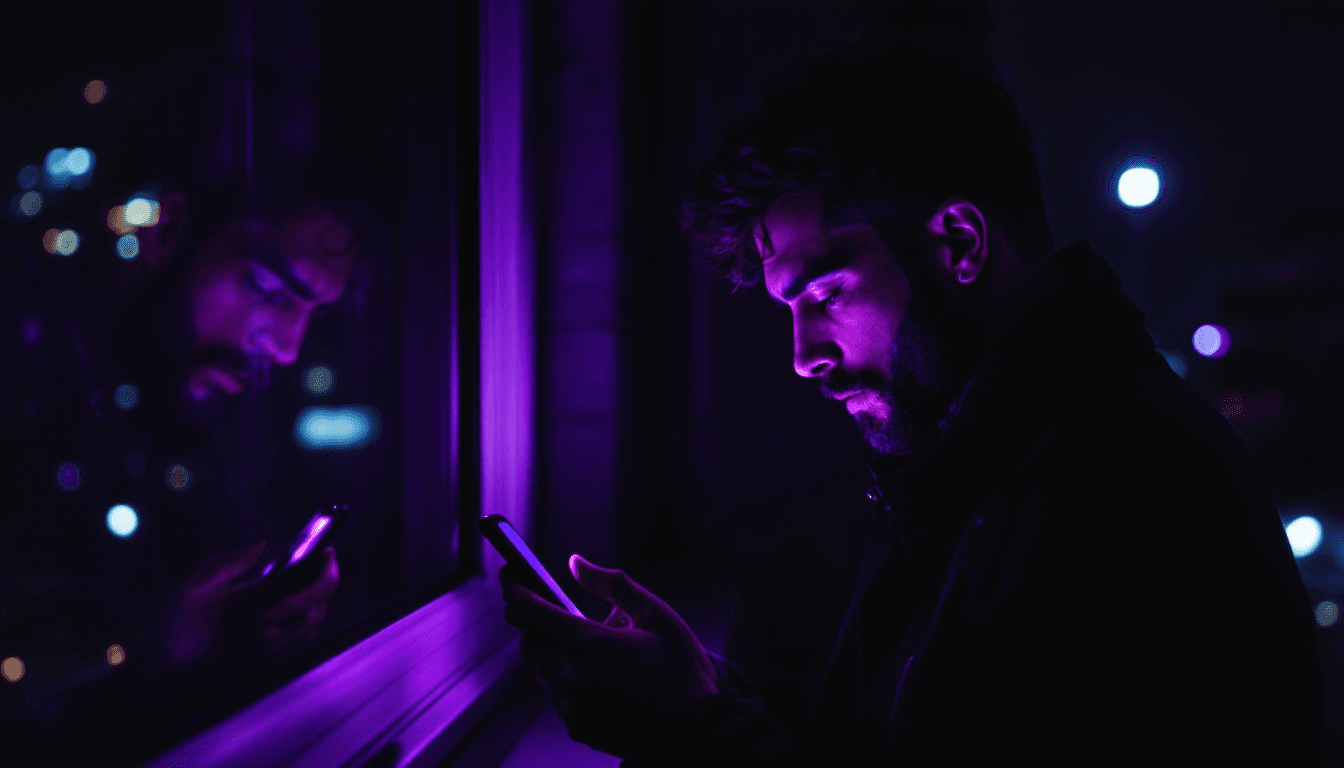
A survey by Record Union of nearly 1,500 independent musicians found that 73% had experienced symptoms of mental illness connected to their music careers. Among respondents aged 18-25, that number climbs to 80%.
Thirty-three percent reported panic attacks. Fifty-seven percent said they worry about their mental health. Forty-one percent said they worry about it multiple times per day.
Of those experiencing symptoms, only 39% had sought professional treatment. Among the 18-25 age group, that drops to 33%. Meanwhile, 51% of those experiencing symptoms reported self-medicating, with the majority using alcohol and drugs.
Only 19% of respondents said they believe the music industry is working to create "a sustainable music climate with healthy artists."
These numbers are staggering, and they demand more than a surface-level "take care of yourself" response. We need to talk about the structural causes.
The Comparison Machine
Every musician has experienced some version of this: You open Instagram or TikTok to post about your work and immediately see an artist at your level (or who started after you) celebrating a milestone you haven't reached. 10,000 followers. A playlist feature. A viral video. A sold-out show.
Your rational brain knows this is a highlight reel. Your emotional brain registers it as evidence that you're falling behind.
Social media has turned comparison — already a natural human tendency — into a continuous, metrics-quantified, algorithmically amplified experience. You're not just comparing yourself to other musicians. You're comparing your numbers to theirs in real time, every day, with receipts.
For independent musicians, this comparison operates on steroids because the metrics are public. Spotify monthly listeners. TikTok followers. YouTube views. There's no hiding from the numbers, and there's no context provided for them. You see the end result but none of the advantages, resources, team support, or plain luck that produced it.
Financial Stress as a Mental Health Multiplier
Mental health challenges in music aren't just emotional — they're economic. When you're earning fractions of pennies per stream, can't afford to tour, and are spending more on your career than you're earning from it, the stress is financial as much as creative.
The precariousness is constant. There's no salary. No benefits. No safety net. Every month is a negotiation between investing in your music career and covering basic living expenses. This chronic financial uncertainty is, on its own, a well-documented driver of anxiety and depression.
Add to this the sunk cost psychology: the more you've invested in your music career — time, money, relationships, other opportunities passed up — the harder it becomes to step back, even when the toll is clearly visible. "I've already put in five years. I can't stop now." This thinking keeps people in unsustainable situations long past the point where their well-being demands a change.
The Isolation Factor
Music creation is often solitary. Marketing is screen-based and isolating. The "grind" culture of independent music glorifies relentless work at the expense of social connection. And the competitive nature of the industry makes it difficult to be vulnerable with peers who might be competing for the same opportunities.
The result is a population of creators who are simultaneously hyperconnected (through social media) and deeply isolated (in their actual daily experience). You can have 10,000 followers and no one to call when you're struggling.
What Helps (Honestly)
There are no easy fixes for structural problems. But there are practices that genuinely help.
1. Get professional support if you can access it. Therapy isn't a luxury for musicians — it's a career tool. If cost is a barrier, many therapists offer sliding scale rates, and organizations like MusicCares and Sweet Relief provide grants and resources for musicians specifically.
2. Build genuine peer connections. Find 3-5 other independent musicians at a similar level and create a group — a text thread, a Discord server, a monthly dinner — where you can be honest about the difficulties. The knowledge that other people are experiencing the same struggles isn't a solution, but it's powerfully validating.
3. Separate metrics from identity. This is a practice, not a one-time decision. Your monthly listener count is a number about your music's current reach. It is not a measurement of your worth, your talent, or your future. Repeat this until you believe it, then repeat it again.
4. Set financial boundaries for your music career. Decide in advance how much you can afford to invest monthly in your music. When that budget is spent, stop spending. Removing the open-ended financial uncertainty reduces one of the biggest stressors.
5. Take actual breaks. Not "I'll take a break from posting but still work on music." A real break. A week where you don't think about streaming numbers, social media, or release strategies. Your music career will survive seven days of rest. Your mental health might depend on it.
The Industry's Responsibility
While individual coping strategies matter, the survey statistic that haunts: only 19% believe the industry is working toward healthy, sustainable careers for artists.
Platforms that profit from artist content have a responsibility to consider the mental health implications of their systems. Metrics dashboards designed like slot machines. Algorithmic penalties for inconsistency. Public follower counts that enable constant comparison. These are design choices, not inevitable features of technology.
As artists, we can't wait for platforms to redesign their systems with our wellbeing in mind. But we can choose how we engage with them, how much power we give them, and how we build careers that prioritize sustainability over growth-at-all-costs.
Key Takeaway
The 73% statistic isn't just a number — it's a crisis driven by comparison culture, financial precariousness, and structural isolation. Address it through professional support, genuine peer connections, metric-identity separation, financial boundaries, and real rest. You cannot pour from an empty cup, and the "grind" narrative that dominates independent music culture is making people sick.