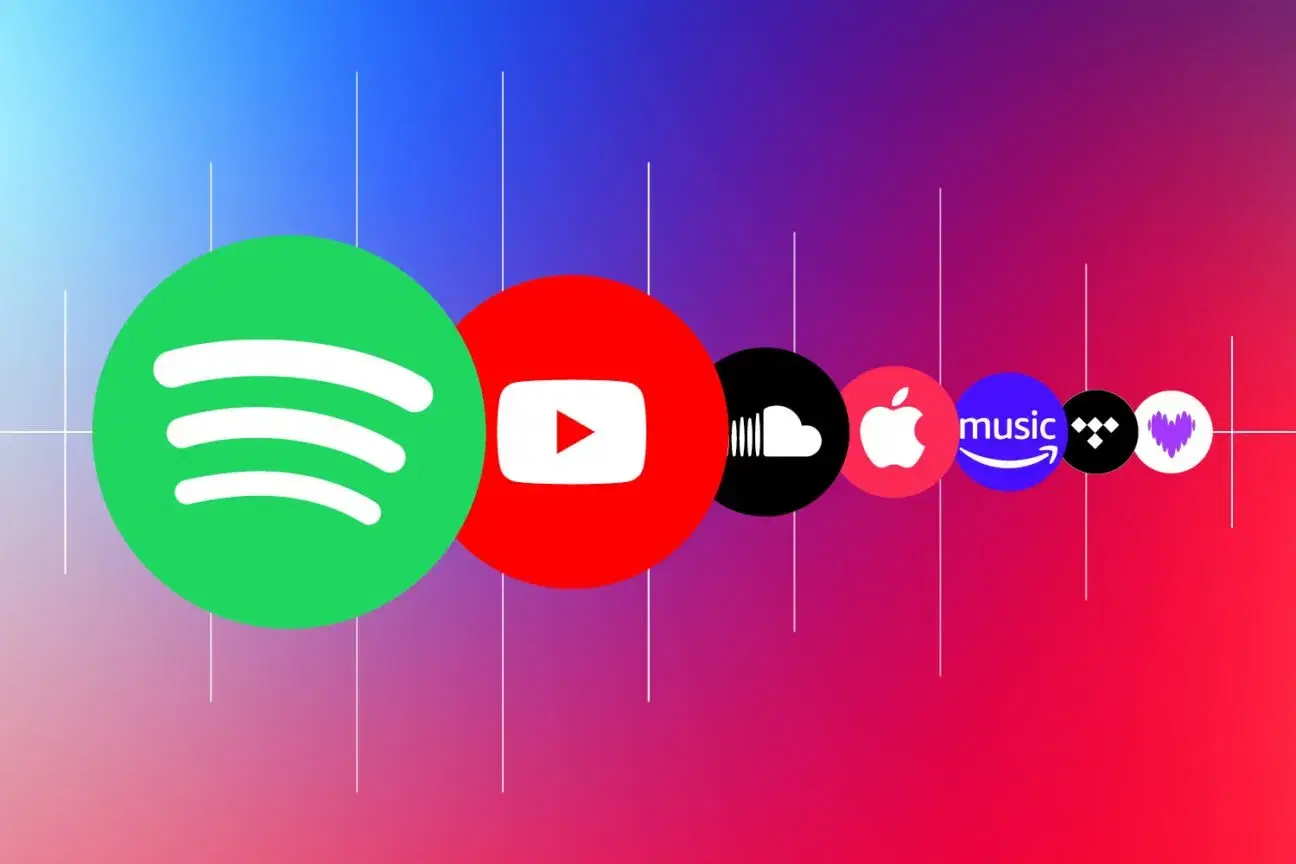
In today’s digital music ecosystem, artists face an unprecedented challenge that’s rarely discussed openly: extreme platform fragmentation. The very tools designed to empower independent musicians have multiplied to the point of becoming overwhelming. As we navigate 2025, the average artist is expected to maintain and optimize their presence across more than 20 different platforms and services — each with its own login, dashboard, analytics, best practices, and constantly changing algorithms.
This fragmentation isn’t just an inconvenience; it’s actively hindering career growth for countless talented musicians. Let’s explore why this problem exists, how it’s affecting artists, and what solutions are emerging to address this growing challenge.
The Expanding Digital Ecosystem
Just a decade ago, an artist’s digital presence was relatively straightforward: a website, perhaps a SoundCloud account, and a handful of social media profiles. Fast forward to 2025, and the landscape has exploded into a complex web of specialized platforms:
Music Distribution: DistroKid, TuneCore, CD Baby, AWAL, UnitedMasters, Amuse, Ditto, and more
Streaming Platforms: Spotify, Apple Music, Amazon Music, YouTube Music, Tidal, Deezer, SoundCloud, Bandcamp
Social Media: Instagram, TikTok, Twitter/X, Facebook, Threads, YouTube, Snapchat, emerging platforms
Video Platforms: YouTube, TikTok, Instagram Reels, Snapchat Spotlight, Twitch
Direct-to-Fan: Patreon, Bandcamp, Substack, Buy Me a Coffee, Ko-fi
Live Streaming: Twitch, Instagram Live, TikTok Live, YouTube Live
Analytics Tools: Spotify for Artists, Apple Music for Artists, YouTube Studio, platform-specific insights
Playlist Submission: SubmitHub, Playlist Push, Spotify Direct, various curator platforms
Sync Licensing: Songtradr, Music Gateway, Marmoset, Epidemic Sound
Community Management: Discord, Telegram, dedicated fan apps
Each of these platforms demands time, attention, and specialized knowledge to use effectively. Each has its own best practices, optimal posting times, content formats, and engagement strategies. Each generates its own stream of notifications, updates, and metrics to monitor.
The Hidden Costs of Fragmentation
This extreme fragmentation creates several significant problems that directly impact an artist’s ability to grow their career:
1. The Time Drain
Independent artist Jordan Rivera describes her typical week: “I spend about 20 hours just managing my digital presence across platforms — scheduling posts, responding to comments, analyzing performance, updating profiles. That’s 20 hours I’m not spending creating music, which is supposedly my actual job.”
This time drain is perhaps the most obvious cost. Every hour spent switching between platforms, remembering different passwords, learning new interfaces, and manually transferring information is an hour not spent on creative work or high-value career activities.
2. Decision Paralysis
With limited time and resources, artists face impossible decisions about where to focus their efforts.
“Should I be making more TikToks or focusing on Spotify growth? Should I be building my Discord community or pitching to playlist curators? Should I invest time in this new platform everyone’s talking about or double down on where I already have some traction?” asks hip-hop producer Malik Johnson. “With so many options and so little concrete data on what’s actually working, I often end up frozen, unable to commit to any clear strategy.”
This decision paralysis leads many artists to spread themselves too thin, maintaining a minimal presence across many platforms rather than excelling on a strategic few.
3. Disconnected Data and Lost Insights
Perhaps most damaging is how fragmentation prevents artists from seeing the complete picture of their career trajectory and audience.
“I might notice I’m getting more Spotify streams from Brazil, but separately see my Instagram engagement is up in Germany, while my most active Discord members are in Canada,” explains electronic artist Sofia Chen. “Without a way to connect these dots, I’m missing crucial insights about where to focus tour plans, marketing dollars, or content strategy.”
When data exists in isolated silos, patterns and correlations remain hidden. Artists can’t see how actions on one platform affect results on another, making it impossible to develop truly effective strategies.
4. Inconsistent Brand Presentation
Maintaining a consistent brand identity across numerous platforms is challenging even for large companies with dedicated teams. For independent artists, it’s nearly impossible.
“Each platform has different image dimensions, character limits, link capabilities, and content formats,” notes artist manager Tanya Williams. “Ensuring your visual identity, messaging, and overall brand feels cohesive across all these touchpoints requires resources most independent artists simply don’t have.”
This inconsistency dilutes brand impact and recognition, making it harder for potential fans to form a clear impression of who an artist is and what they represent.
5. Algorithm Anxiety and Platform Dependence
The proliferation of platforms has created another psychological burden: constant anxiety about algorithm changes and platform viability.
“I built a significant following on Platform X, only for their algorithm to change overnight, cutting my reach by 80%,” shares singer-songwriter Marcus Lee. “Now I’m paranoid about becoming too dependent on any single platform, which ironically means I’m trying to maintain a presence on even more services.”
This anxiety creates a vicious cycle where artists feel compelled to establish themselves on every new platform that gains traction, further exacerbating the fragmentation problem.
The Integration Imperative
The solution to fragmentation isn’t abandoning digital platforms — they remain essential for artist discovery and fan engagement. Instead, the answer lies in integration: bringing these disparate elements into a cohesive ecosystem that artists can manage efficiently.
Emerging Solutions
Several approaches are gaining traction as artists and the industry recognize the severity of the fragmentation problem:
1. Unified Dashboard Platforms
New artist-focused platforms are emerging that aggregate data and functionality from multiple services into single, cohesive interfaces. These platforms connect to various streaming services, social accounts, and other tools to provide a unified view of an artist’s digital presence.
“Having one dashboard that shows me how my release is performing across all platforms, which content is driving engagement, and where my audience is growing has been game-changing,” says indie-folk artist Elena Diaz. “I can finally see correlations between my marketing efforts and actual results.”
2. Automation and Cross-Platform Tools
Automation tools that allow content to be adapted and distributed across multiple platforms simultaneously are reducing the time burden of maintaining numerous accounts.
“I can now create content once and have it intelligently adapted for the specific requirements of each platform,” explains R&B artist DeShawn Morris. “The system understands that my TikTok audience responds to different aspects of my personality than my Spotify listeners, and it helps me tailor accordingly while maintaining a consistent core message.”
3. AI-Assisted Prioritization
Artificial intelligence is increasingly helping artists cut through the noise and identify which platforms and activities deserve their limited time and attention.
“My AI assistant analyzes performance across all my channels and tells me where I should be focusing my energy this week,” shares pop artist Lily Zhang. “It might suggest I prioritize engaging with a growing audience segment on Platform A, or that I’m seeing diminishing returns on Platform B and should scale back there.”
4. Consolidated Analytics and Insights
Perhaps most valuable are tools that not only aggregate data but derive meaningful insights by analyzing patterns across platforms.
“I discovered that fans who find me through my guitar tutorials on YouTube and then follow me on Instagram are 400% more likely to become Spotify monthly listeners than those who discover me through other paths,” notes guitarist Alex Mercer. “That insight completely changed my content strategy, and I would never have discovered it if I was looking at each platform’s analytics in isolation.”
Strategic Approaches to Managing Fragmentation
While technology solutions are evolving rapidly, artists can adopt several strategies today to mitigate the fragmentation problem:
1. Platform Prioritization
Rather than trying to maintain an equal presence everywhere, successful artists are making deliberate choices about their primary, secondary, and experimental platforms.
“I identified Spotify, Instagram, and TikTok as my primary platforms where I invest 80% of my digital efforts,” explains country artist Savannah Brooks. “I maintain basic profiles on another five platforms, and I completely ignore the rest. This focus has actually accelerated my growth rather than limiting it.”
2. Content Adaptation Rather Than Creation
Instead of creating unique content for each platform from scratch, efficient artists are adapting core content pieces for different contexts.
“I create one high-quality piece of content each week — maybe a behind-the-scenes video of my recording process,” shares producer and DJ Marcus Kim. “Then I adapt that into 8–10 different formats: a one-minute vertical video for TikTok, a photo series with longer captions for Instagram, key quotes for Twitter, the full video for YouTube, etc. It’s all the same core content, just optimized for each platform.”
3. Batch Processing
Rather than constantly switching between platforms throughout the week, disciplined artists are batching similar tasks.
“Mondays are for content creation, Tuesdays for scheduling and distribution, Wednesdays for community engagement across all platforms, and Thursdays for analytics review,” describes jazz vocalist Carmen Rodriguez. “Batching similar activities has dramatically reduced the mental switching costs and made me more efficient.”
4. Strategic Outsourcing
As artists begin generating revenue, selectively outsourcing aspects of platform management can provide significant leverage.
“I couldn’t afford a full team, but I hired a part-time social media manager who handles my TikTok and Instagram,” says indie rock artist James Chen. “This freed up about 10 hours weekly that I now spend on songwriting and relationship building with fans on Discord, which I still handle personally.”
The Future: Integrated Artist Ecosystems
Looking ahead, the industry is moving toward more integrated ecosystems where artists can manage their entire digital presence from centralized hubs. These platforms will not only aggregate data and streamline workflows but will increasingly use AI to provide strategic guidance, automate routine tasks, and identify opportunities across the fragmented landscape.
The most promising solutions don’t just connect existing platforms — they fundamentally rethink the artist’s relationship with digital tools, putting the creator back at the center and making technology serve the art rather than the other way around.
Conclusion: Reclaiming Your Creative Time
The platform fragmentation problem isn’t going away — if anything, the digital landscape will likely continue to expand and specialize. But by recognizing the hidden costs of managing dozens of disconnected platforms, artists can make more strategic choices about where to invest their limited time and energy.
Whether through emerging integrated platforms, smarter workflows, or deliberate platform prioritization, the goal remains the same: to reduce the administrative burden of digital presence management and reclaim time for what matters most — creating music and connecting with fans.
The artists who will thrive in this fragmented landscape aren’t those who try to be everywhere at once, but those who make strategic choices, leverage integration tools, and focus their energy where it creates the most value.
See Musuni in Action!
Tired of jumping between dozens of platforms just to manage your music career? Watch our platform demo to see how Musuni brings all your essential tools and analytics into one unified dashboard, saving you hours each week and revealing insights you’d miss when your data is fragmented:
https://www.youtube.com/watch?v=Bwp6ygwEN7M
Join the Musuni waitlist today at musuni.io and take the first step toward a more integrated, efficient approach to your music career.