
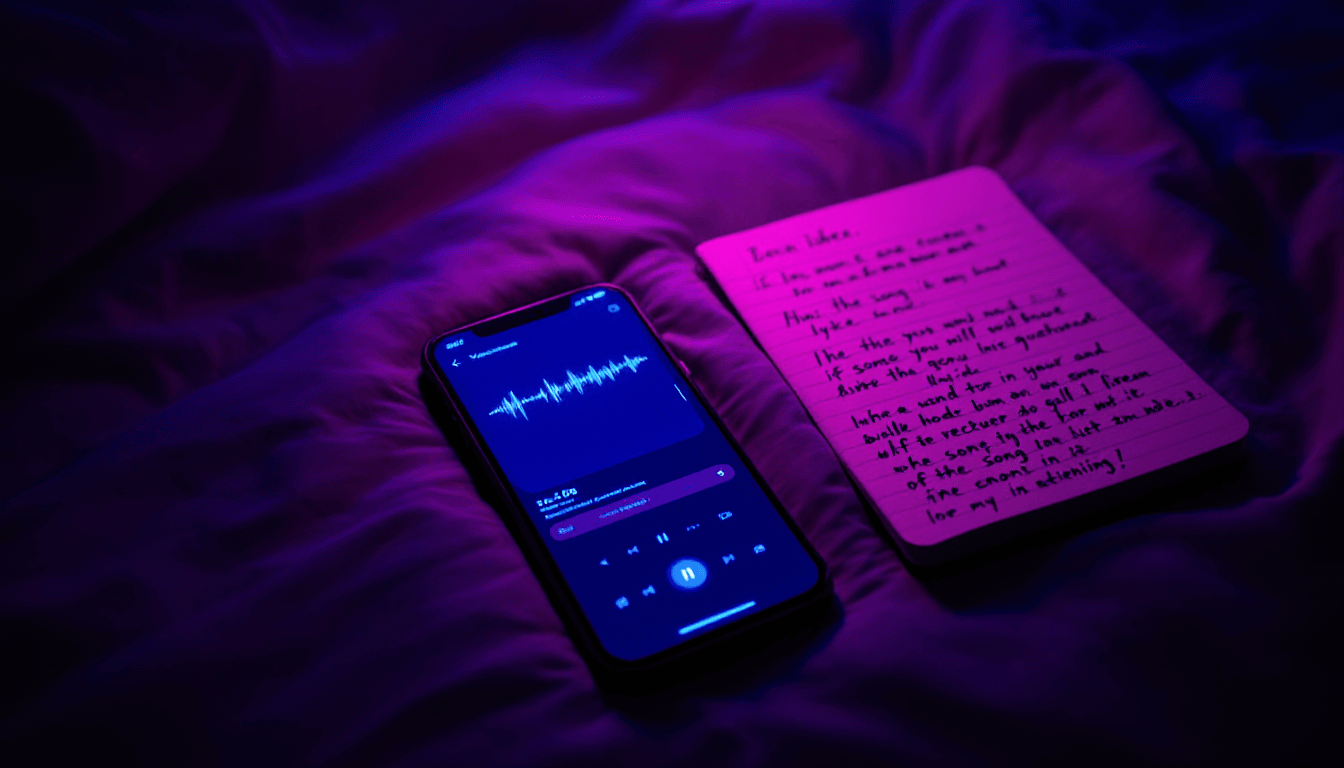
There's a song in your voice memos you haven't played for anyone.
You know which one. You wrote it in about twenty minutes, it says something you've never said out loud, and every time you think about releasing it, your stomach drops. So it stays in the phone, and you put out the safer one instead.
Then someone leaves a cruel comment on the safer one, and you go quiet for a week.
In the Musuni artist quiz, we call this type the Confessor. You say the thing people only admit at 2 a.m., and they feel less alone because you said it first. Your blind spot cuts both ways. You sit on your best songs because they feel like too much. And you can mistake exposure for connection, because sharing everything isn't the same as sharing well.
There's a quieter trap too. A fanbase that bonds over your pain can make it hard to write anything happy.
How your fans relate to you
Confessor fans don't just like your songs. They feel understood by them.
They're the people who quote your lyrics back in the comments. They screenshot one line and send it to someone without explaining why. A lot of them have never told anyone the thing your song says out loud.
That bond runs deeper than most. It's fragile too. They're trusting you to keep telling the truth, and they can tell when a line was written to perform honesty instead of to say something.
Artists like Phoebe Bridgers, Olivia Rodrigo and Noah Kahan show the pattern. One specific, almost uncomfortable line becomes the thing people pass around, and the song travels on that line.
What to post: lead with the line
You don't need a content strategy so much as a set of formats you can repeat without feeling like you're performing your life.
1. The line I almost cut. One lyric on screen, the true story behind it in a sentence, then you sing it. Same spot every time. "I almost cut this line because my mom would hear it."
2. I wrote this about... A text hook naming the exact moment the song came from, over a one-take performance. Not the theme. The moment. "I wrote this in the parking lot after the last time I saw him" beats "a song about heartbreak" every time.
3. Voice memo to final. Play the shaky first memo, then the finished version of the same line. People love hearing the moment a song was born.
4. Comments that quote you. When someone quotes your lyric in the comments, reply with a video of you singing that verse. It tells everyone watching that you see them.
5. The same spot. One-take acoustic performances filmed from the same place: your bed, the kitchen corner, the car. People start recognizing you before they hear you.
One rule for all five: write down what's off-limits before you post. People, places, details you won't share. Boundaries are what make honesty last. They also protect you from oversharing just to fill a posting schedule.
How to release
Release singles that each carry one story. Then gather them into a small EP that ties them together.
Before a single comes out, tease the line, not the song. The lyric that made you nervous to post is usually the one that travels.
Send a private demo to your closest list first, so the people who care most hear it before everyone else does. That small act of trust is something your fans will remember.
Shows and collabs
Small, seated rooms over big bills. House shows, listening nights and livestreams suit you.
The talking between songs is half your show, so plan it like you plan the set. Know which story you'll tell before which song, and keep it short enough that the song still lands.
Duets with other voices work well. Your best matches are a Sound Architect, who protects the lyric in the mix instead of burying it, and a Scene Builder, who can put you on the right bill in front of a room that will actually listen.
Where the money is
Your fans pay for closeness, so offer closeness with limits.
A close-friends tier or membership where demos land first. Handwritten lyric sheets. A small lyric zine. A house-concert run where 20 people sit on the floor.
Co-writing for other artists is a real lane too, because your strength is the words. Plenty of artists can sing. Fewer can write the line that people screenshot.
None of this needs a huge audience. It needs a few hundred people who feel understood.
If you want to see where your numbers actually stand before you plan any of this, the Read gives you a free one-page read of your streaming data, in plain language.
Your first 30 days
Write 5 text hooks from the real story of your next release. The exact moment, not the theme.
Post from the same spot 3 times a week for 4 weeks, rotating hooks. The comments will tell you which line lands.
Start a private list (email or broadcast channel) and send one unreleased demo there first.
Write down what's off-limits (people, places, details) before you post anything new.
Book one small listening night or house show, even for 15 people.
And one for the hard days: a hundred kind comments and one cruel one is a good week. Mute the cruel one and keep posting.
What to focus on, by stage
Just starting. Finish the song you're scared of and release it. The scary one is often the one people need.
Under 1K monthly listeners. Your job is finding the first 100 people who feel understood. Post the hooks, then invite them to your list.
1K to 10K. Turn listeners into a list. Every hook should point to the place where demos land first.
10K and up. Your list can carry a house-concert run and a paid close-friends tier. Hold your boundaries as it grows.
The song in your phone
I can't tell you that releasing it will change anything. Nobody honest can promise that about any song.
What I can say is that the people who need it can't find it while it lives in your voice memos. Write down your boundaries, pick the line, and let it out.
Not sure this is you? Take the 2-minute quiz. If it is, read the full Confessor profile for your strengths, your blind spot and how your streak helps your songs reach strangers.